Every juicing method extracts liquid from fruit and vegetables. The difference is how much heat and air is introduced along the way — and that changes what ends up in your glass.
Three methods, three results
Centrifugal juicers
A fast spinning blade shreds the produce and flings the juice through a mesh. It is quick and cheap, but the friction warms the juice slightly and whips air into it, which speeds up oxidation of vitamin C and some enzymes.
Cold press (masticating)
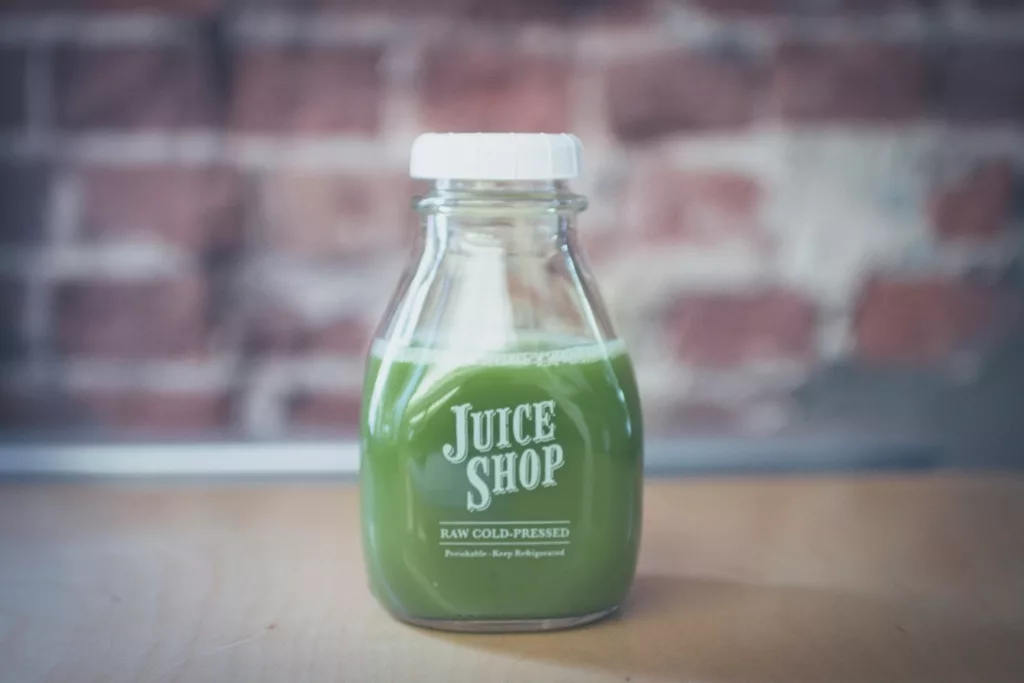
The produce is crushed and pressed slowly with almost no heat. Less foam, less air, a darker colour and a juice that keeps well for up to 72 hours in the fridge.
Blenders
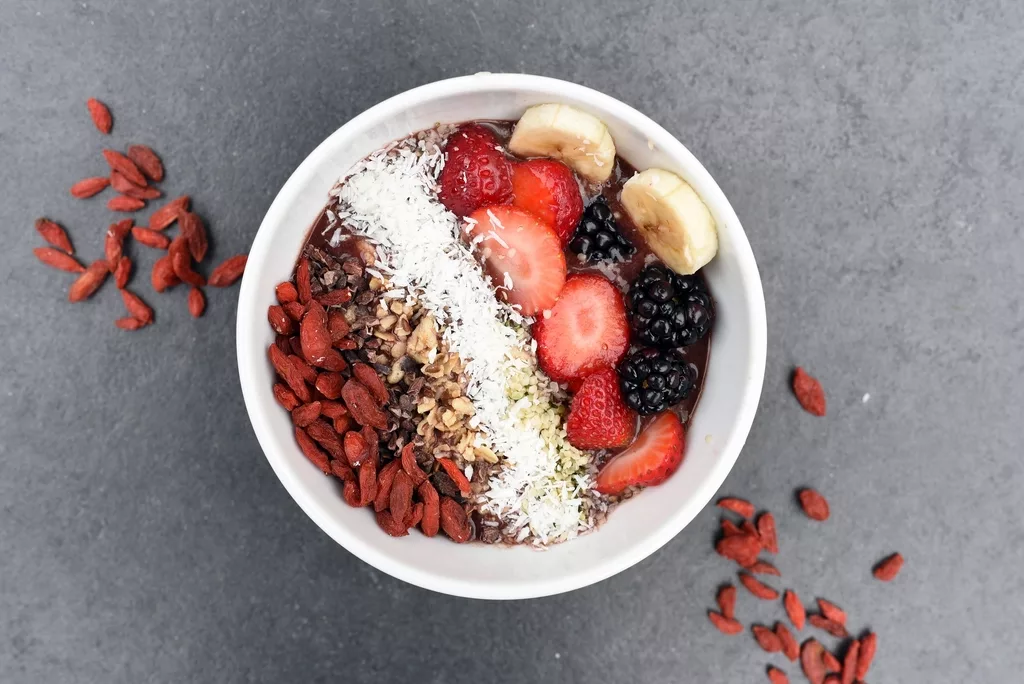
You keep all the fibre, which is great, but the texture is thicker and the drink is technically a smoothie. Add water or coconut water to thin it.
What is preserved
- Vitamin C — sensitive to heat and oxygen; cold press keeps noticeably more.
- Polyphenols — stable in all methods.
- Fibre — only in blended drinks.
- Enzymes — mostly a marketing story; your stomach acid deactivates them anyway.
The best juice is the one you actually drink fresh. Cold pressed or not, drink it the same day.